Maths
We follow the White Rose maths scheme in years 1-6, teaching Number Monday to Wednesday and Geometry, Measure and Statistics on Thursdays and Fridays. In EYFS we use Number Sense and Early Childhood Maths Group resources. We use reasoning and mathematical talk to ensure that children can explain their learning. We foster a love of maths by using varied and engaging resources as well as practical activities. Maths learning is inclusive to ensure that all children have the ability to participate and succeed, regardless of their background and ability. Internal assessment occurs in terms 2, 4 and 6 using the NFER assessments. We have Club Maths tests weekly in years 2 - 6 to ensure that children are secure in their number facts for addition, subtraction, multiplication and division. Children are expected to know their multiplication tables up to 12 x 12 by the end of year 4 and undertake the Multiplication Tables Check in June of year 4.
Calculation Policy
Children are taught the same methods throughout the school as outlined in our Calculation Policy below:
Parent workshop
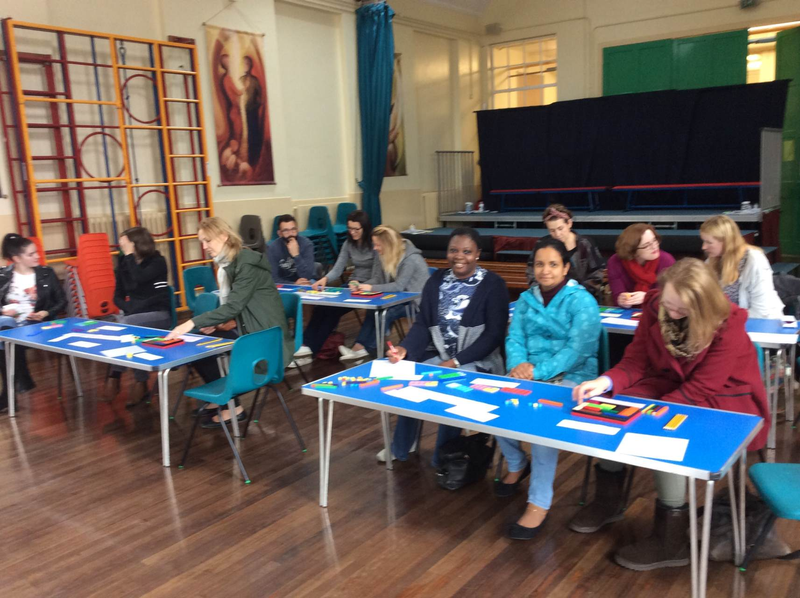
If you were unable to attend the parent workshop, the guides are below.
Multiplication Tables Check
Government information for parents
Club Maths
Club Maths tests happen weekly on Fridays. Years 2, 3 and 4 will do weekly mental maths tests with a time limit. Years 5 and 6 will do fortnightly tests.
Please help your child to practice for the tests using the links below. Gold, silver and bronze certificates are awarded to the high scorers.
| Name | Format | ||
|---|---|---|---|
| Files | |||
| Make_100_C_and_D 1.pdf | |||
| Make_100_multiples_of_5.pdf | |||
| Full_Programme_-_3_sessions_week_-_questions.pdf | |||
| Year 3 questions 3 times table.pdf | |||
| Make_100_A_and_B.pdf | |||
| Make_100_C_and_D.pdf | |||
| Addition_within_20_A_and_B.pdf | |||
| Addition_within_20_C_and_D.pdf | |||
| Make_20_A_and_B.pdf | |||
| Make_10_A_and_B.pdf | |||
White Rose Maths
We teach maths using a Mastery approach following the White Rose scheme. https://whiterosemaths.com/
The National Curriculum
The aims of the National Curriculum are:
- Problem solving supported by
- Fluency and
- Reasoning
Problem Solving 
Problem solving is supported by a Growth Mindset.
This means that we can 'grow our brains'. 
Just as athletes need to train, and building muscles hurts, so in Maths we need to stretch our brains with solving problems and puzzles that we find hard. Activities that we find challenging and 'make our brains hurt' are helping us to grow!
How you can support Problem Solving at home
A key part of developing a Growth Mindset is NEVER GIVE UP.
'I don't understand YET' - it is important to understand that learning is a journey. Maths that we can't do at the beginning is the most exciting Maths and we feel a great sense of achievement once we have unlocked the problem.
Encourage your child to try puzzles from the newspaper or use websites such as
The children really enjoy trying Ken Ken puzzles. They can start with the easiest and progress to the larger puzzles.
How you can support Fluency at home 
Mathsrockx
A great app for learning times tables is https://www.mathsrockx.com/
The app teaches children to sing the times tables along to their favourite pop songs.
Fluency means being able to perform calculations confidently and quickly. This means being confident in the four operations of addition, subtraction, multiplication and division. Essential skills are:
- Rapid recall of Number Bonds
- Rapid recall of Times Tables
You may have read in the press that a new Times Tables test will be introduced in 2017. Children should know all their times tables to 12 x 12 by the end of year 4. They should be able to recall facts rapidly in different formats, eg
6 x 7 = ?
3 x ? = 24
56 ÷ ? = 8
See the Parents' Guides below for which tables are required in each year.
Number bonds are the addition and subtraction facts. Children should learn
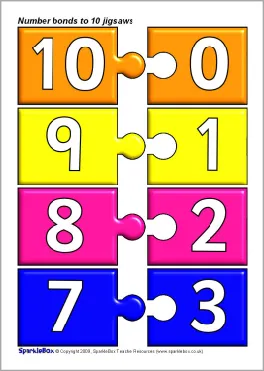
Number bonds to 10 eg 3 + 7 = 10, 10 - 6 = 4
Number bonds within 10 eg 3 + 4 = 7, 8 - 3 = 5
Number bonds to 20 eg 12 + 8 = 20, 20 - 15 = 5
Number bonds within 20 eg 9 + 6 = 15, 13 - 7 = 6
Number bonds to 100 eg 81 + 19 = 100, 100 - 73 = 27
Reception/Year 1 songs
Other Multiplication Table songs
How you can support Reasoning at home

Reasoning means that the children can explain why they are doing something. They should not only be able to tell you the answer to a problem, but how they got to the answer and how they know it's the right answer.
Maths in Everyday Life
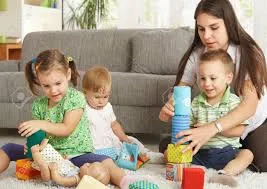
It is important that children realise that Maths is not just about lessons at school, but is part of everyday life. With infant children, please practise counting - forwards and backwards to 100. Then work on counting in 2s, 5s, and 10s. One fun way to do this is 'Let's have a cuddle while we count to 100'.
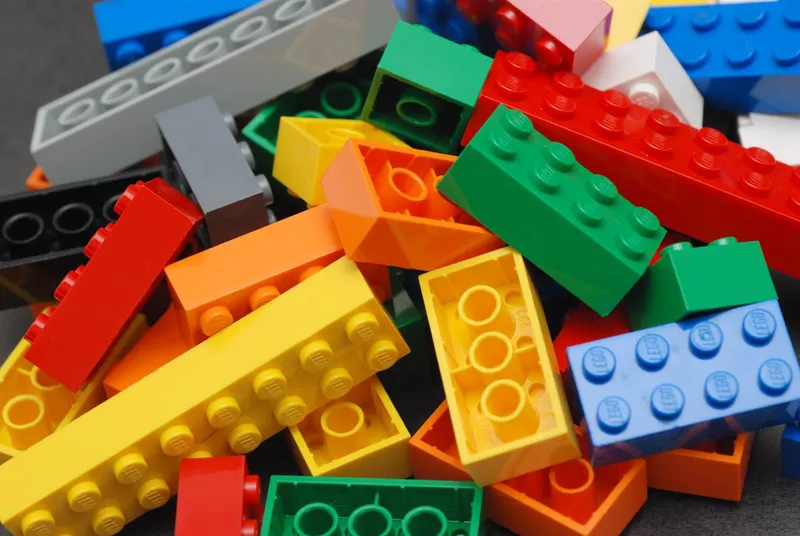
Children should learn to count verbally and using objects such as pieces of pasta, Lego etc. Make counting a fun part of everyday life!
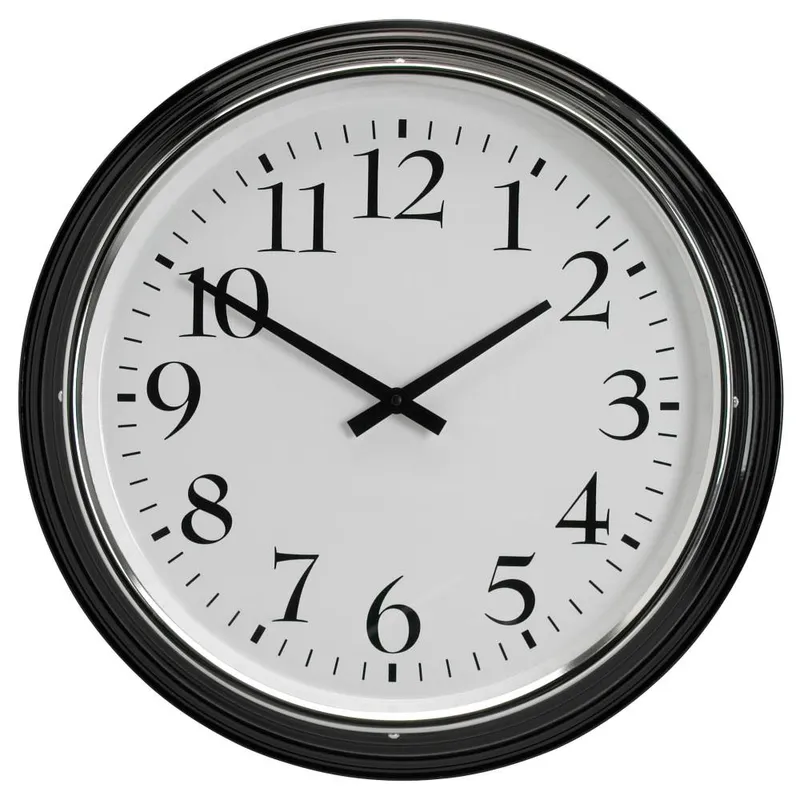
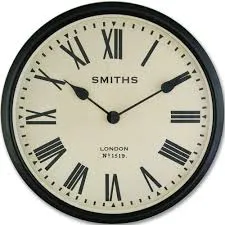
Telling the Time
Please help your children to learn to tell the time. They need to be able to read analogue (normal clocks), digital and 24 hour clocks. From year 4 onwards they can even learn to read clocks with Roman Numerals!